

Gold loans are becoming increasingly popular in India in 2026 because they offer a quick and convenient way to access funds without selling valuable jewellery. Rising gold prices have increased the borrowing value of pledged gold, while banks and NBFCs have made the process faster and more accessible. Gold loans are commonly used for business needs, medical emergencies, education, weddings, and short-term household expenses. Their growing popularity is visible in lending data, with NBFC gold-loan portfolios rising sharply in 2026. For many borrowers, gold loans provide a practical alternative to unsecured personal loans when immediate cash is required.
In 2026, lending against gold jewellery has been growing rapidly. According to RBI data reported in September 2026, loans against gold jewellery by NBFCs grew 68.5% year-on-year in July 2026.
This raises an important question: Why are more Indians borrowing against their gold, and what should borrowers know before pledging their jewellery?
Let’s understand how gold loans work, why they are becoming popular and the risks borrowers should consider.
Why Are More Indians Choosing Gold Loans in 2026?

One major reason is the significant increase in gold prices. When the value of pledged jewellery increases, borrowers may be able to obtain a larger loan against the same quantity of gold, subject to the lender’s applicable LTV rules.
Recent data reported in 2026 showed that the average gold-loan ticket size reached around ₹1.96 lakh in FY2026, up 39% year-on-year. The increase reflects the higher value of gold as well as growing borrowing against it.
Another reason is convenience. A borrower who already owns gold may be able to access secured credit without selling the jewellery. This can make a gold loan attractive when someone needs money quickly.
Why Are Gold Loans Growing in India?

There are several reasons behind the growing demand for gold-backed borrowing.
1. Rising Gold Prices
Gold prices have increased significantly in recent years. As the value of gold rises, existing gold jewellery can provide borrowers with a larger potential borrowing base, subject to valuation and regulatory limits.
2. Gold Is Already Available in Many Households
Unlike some other forms of collateral, gold jewellery may already be owned by a household. This means borrowers do not necessarily need to purchase a new asset before applying for a gold-backed loan.
3. Quick Access to Secured Credit
Gold loans are secured by collateral. Depending on the lender and application, this can make the process relatively straightforward compared with some unsecured forms of borrowing.
4. Growing Formal Lending
Gold-backed lending has become an increasingly important part of India’s formal credit market. RBI data reported in September 2026 showed strong year-on-year growth in NBFC lending against gold jewellery.
This growth shows that gold loans are becoming an important financing option for some Indian borrowers.
Gold Loans Can Provide Faster Access to Money

Traditional loans can involve income documentation, credit checks and other eligibility requirements. Gold loans are secured by physical collateral, so the lending process can be comparatively straightforward.
For households facing an urgent financial requirement, this can be useful. Gold loans are commonly considered for medical expenses, education, business working capital and other short-term needs.
However, faster access to money does not mean that borrowers should ignore the cost of borrowing. Interest rates, processing fees, valuation charges, repayment conditions and other applicable charges should be checked carefully before taking the loan.
What Are the Risks of Taking a Gold Loan?

Although gold loans can provide quick liquidity, they are not risk-free. The most important risk is failure to repay the loan according to the agreed terms. If the borrower defaults, the lender may have the right to sell the pledged gold according to the applicable agreement and regulations.
Borrowers should therefore compare the total borrowing cost rather than focusing only on the interest rate. They should understand the repayment schedule, late-payment charges, renewal conditions, auction rules and other fees.
The RBI’s lending framework also requires lenders to follow rules concerning eligible collateral, ownership and lending practices.
Is a Gold Loan Right for You in 2026?
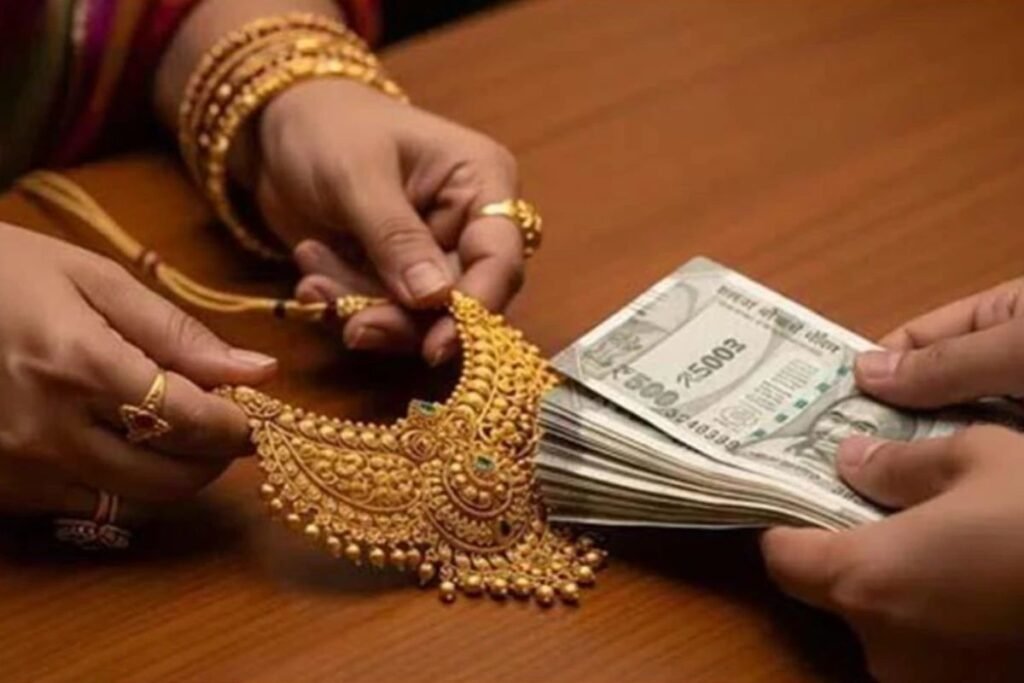
A gold loan can be useful when a person needs short-term funds and already owns eligible gold jewellery. Its secured nature and potential convenience can make it an alternative to some other forms of borrowing.
However, borrowers should first calculate how much they actually need and whether they can comfortably repay the loan. Comparing banks and NBFCs, checking the total cost and understanding the consequences of missed payments are important steps.
The growth of gold loans in India in 2026 shows how households are increasingly using existing gold assets to access credit. With gold prices remaining an important factor behind the trend, borrowing against gold may continue to attract consumers who need liquidity without immediately selling their jewellery.