
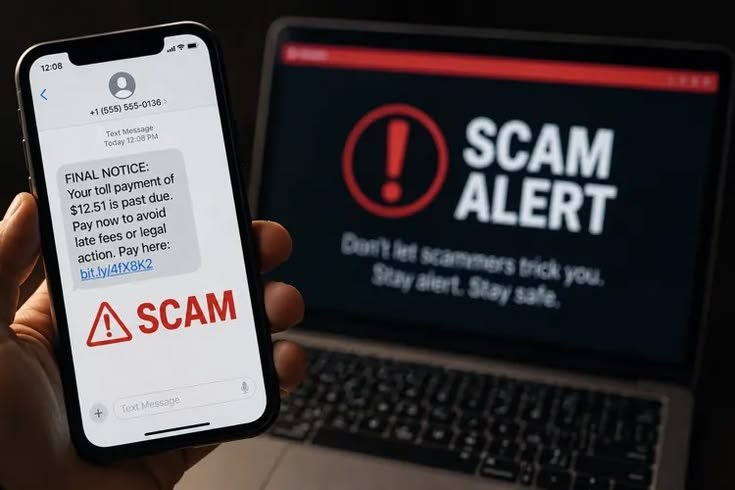
UPI fraud in India relies heavily on social engineering, urgency, and deceptive UI tricks rather than breaking the core technology. Scammers commonly use the “Scan to Receive” trap, where they claim you must scan a QR code to collect a refund, reward, or cashback. In reality, scanning a QR code and typing your UPI PIN always debits money from your account rather than crediting it. Other prevalent schemes include fake collect requests disguised as incoming payments and impersonation calls where fraudsters pose as bank staff, utility providers, or law enforcement running “digital-arrest” tactics.
Protecting your money begins with adhering to non-negotiable UPI safety rules. Never enter your UPI PIN or scan a QR code to receive money receiving funds requires zero action or PIN entry on your end. Always double-check the recipient’s name, handle, and exact amount on your screen before authorizing any transaction. Avoid sharing sensitive credentials like your UPI PIN, OTP, or banking passwords with anyone, and never grant screen-sharing or remote-access app permissions (such as Any Desk or TeamViewer) to unknown callers.
If you fall victim to a UPI scam or spot unauthorized activity, immediate action can help recover your funds. Report the incident within the “golden hour” (the first 1 to 2 hours) by calling the national cybercrime helpline at 1930 or filing a formal complaint on the National Cybercrime Reporting Portal. Simultaneously, block your UPI ID and notify your bank or payment app support team immediately to freeze the transaction.
What Are UPI Scams and Why Are They Increasing?

Unified Payments Interface (UPI) scams are fraudulent schemes where cybercriminals trick users into unauthorized money transfers using digital payment apps. Because UPI allows instant, bank-to-bank transfers using just a virtual ID or QR code, scammers exploit this speed and simplicity through tactics like fake payment links, spoofed QR codes, and malicious collect requests. Unlike traditional banking frauds that require complex technical hacking, UPI scams heavily rely on social engineering, manipulate human psychology, and deceive users into willingly authenticating transactions or sharing their secret UPI PINs.
The alarming rise in these scams is primarily driven by the explosive, widespread adoption of digital payments alongside low digital literacy. Millions of new users, particularly in rural or semi-urban areas, have rapidly transitioned to digital transactions without fully understanding the underlying security protocols. Scammers take advantage of this knowledge gap by convincing victims that entering their UPI PIN is required to receive money, cashbacks, or lottery winnings. Since UPI apps are designed to execute transfers in milliseconds with zero friction, once a victim falls for the ruse and enters their PIN, the money is permanently gone before they even realize they have been defrauded.
Furthermore, fraudsters have developed highly sophisticated psychological manipulation tactics and identity spoofing techniques that bypass traditional security awareness. Criminals create immense pressure by posing as bank officials, tax authorities, or customer support agents, using panic or greed to force immediate compliance. They also leverage advanced tools like deepfake voices, artificial intelligence to draft hyper-convincing phishing messages, and spoofed merchant interfaces that look identical to trusted brands. This evolution from crude phishing emails to highly targeted, technologically enhanced social engineering makes it incredibly difficult for the average smartphone user to distinguish between a legitimate request and a malicious trap.
Common Types of UPI Scams in India
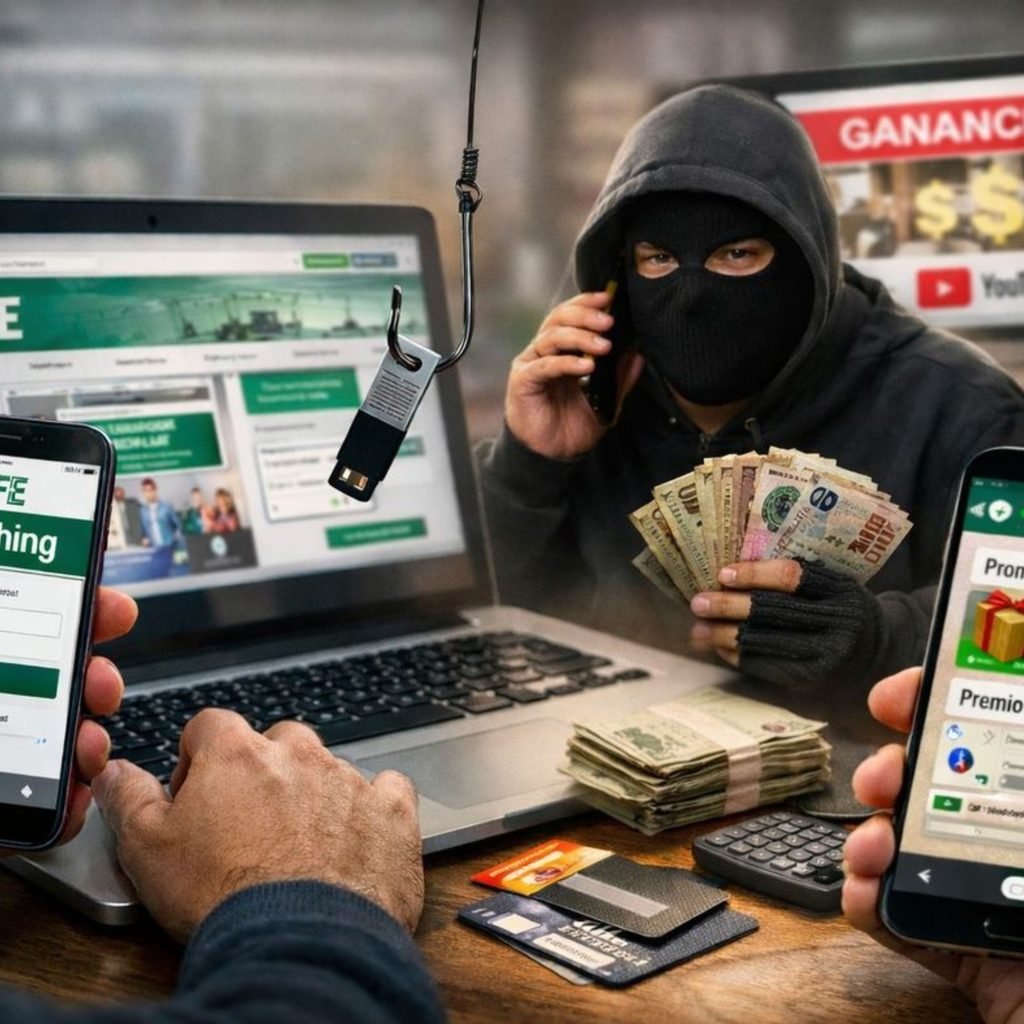
UPI scams in India frequently exploit human psychology through social engineering rather than technical hacking, with phishing and fake links being among the most common tactics. Scammers often send fraudulent SMS messages or WhatsApp alerts disguised as urgent notifications from banks, electricity boards, or courier services. These messages contain malicious links that direct victims to cloned websites designed to steal UPI PINs, bank details, or download malware that intercepts mobile data. Additionally, fraudsters trick users into clicking “Request Money” links instead of “Receive Money,” misleading individuals into authorizing outbound transfers while under the impression they are accepting a payment or prize.
Another prevalent tactic involves impersonation and fraudulent helpline numbers planted across the internet to exploit users seeking customer support. Scammers heavily manipulate search engine results by listing fake contact numbers for popular e-commerce platforms, airlines, or digital wallets. When a distressed user calls for assistance with a stuck transaction or refund, the fraudster impersonates a customer care representative. They then convince the victim to install screen-sharing applications like AnyDesk or TeamViewer, allowing the scammer to gain full remote control of the mobile device, view the UPI app interface, and surreptitiously drain the linked bank accounts.
The rise of marketplace fraud, fake job offers, and advanced investment scams has resulted in severe financial losses for unsuspecting users. On peer-to-peer buying and selling platforms, scammers pose as legitimate buyers—frequently claiming to be military personnel to build instant trust—and send QR codes for the seller to scan, which ultimately debits money from the seller’s account. Concurrently, a growing wave of part-time “task scams” and fraudulent cryptocurrency trading platforms lure individuals with promises of high daily returns. Once the victim is hooked, they are instructed to transfer large sums via UPI into various mule accounts, only to find their funds completely frozen and untraceable.
Never Share Your UPI PIN, OTP, or Banking Details
- The Role of the UPI PIN: Your Unified Payments Interface UPI PIN is strictly required only when you are sending money or authorizing a debit from your account. You never need to enter, type, or share a UPI PIN to receive money, claim a reward, or reverse a transaction. Anyone who asks for your PIN under the guise of sending you funds is attempting to steal from your account.
- Tactics of Fraudsters: Cybercriminals often impersonate bank officials, customer care agents, or law enforcement officers, using panic, false urgency, or fake offers to trick you into compliance. They may also ask you to download screen-sharing or remote-access applications, allowing them to view your private messages and intercept credentials in real time.
- Consequences of Sharing: An OTP or PIN acts as your final digital signature; the moment you hand it over, the banking system treats the transaction as officially authorized by you. Because the transfer is self-approved from the system’s perspective, recovering lost funds becomes extremely difficult. If you encounter a suspected scam, report it immediately by calling the national cybercrime helpline at 1930 or visiting Cyber Crime Portal.
Practical Ways to Protect Your Money from UPI Fraud

Protect your hard-earned money from UPI fraud by securing your Unified Payments Interface (UPI) PIN and treating it with the same confidentiality as an ATM password. Your UPI PIN is only required to send or authorize money, never to receive it. Scammers frequently use trickery—like fake “cashback” offers, refund requests, or urgent lottery wins to dupe users into entering their PINs on malicious links. Always verify the sender’s identity, carefully review the transaction amount before approving, and never share your PIN, OTP, or passwords with anyone, including individuals claiming to be bank officials.
Defend your digital footprint by avoiding unverified third-party apps, suspicious links, and public Wi-Fi networks when making financial transactions. Fraudsters often distribute screen-sharing applications or malware disguised as customer support tools to gain remote access to your device. To stay safe, download banking apps only from official app stores, ignore unsolicited payment requests (collect requests) from unknown virtual payment addresses (VPAs), and immediately report any unauthorized transactions to your bank or the National Cyber Crime Portal.
Establish strong technical safeguards by setting strict transaction limits and enabling multi-factor authentication on your mobile device. Most banking and UPI apps allow you to cap your daily transaction amounts, significantly lowering the potential damage if your account is ever compromised. Additionally, protect your phone with a robust biometric lock or passcode, use separate pins for unlocking your phone and your UPI app, and regularly update your financial applications to patch the latest security vulnerabilities.
What to Do If You Become a Victim of a UPI Scam

If you fall victim to a UPI scam, your very first step must be to block all access to your accounts and report the fraud immediately to prevent further financial damage. Contact your bank or payment app (such as Google Pay, PhonePe, or Paytm) right away to freeze your UPI profile and linked bank accounts. Simultaneously, register an official complaint by calling the National Cyber Crime Helpline at 1930 or by visiting the official government portal at cybercrime.gov.in. Acting within the “golden hour”—the first few hours after the fraud occurs—dramatically increases the chances of freezing the stolen money before the scammers can withdraw or transfer it.
Once your accounts are secured, gather every piece of digital evidence and file a formal Police Complaint (FIR) at your nearest cyber crime cell. Compile a detailed record of the transaction, including the Transaction ID, the scammer’s UPI ID, mobile number, bank account details, and screenshots of all chat conversations or SMS alerts. Take these documents to the police to register a (FIR). This official legal document is not only crucial for the police to track down the fraudsters, but it also serves as mandatory proof required by financial institutions to process any potential reversal or insurance claims.
The final crucial phase involves leveraging the Reserve Bank of India (RBI) guidelines to pursue a refund from your bank. Under the RBI’s zero-liability policy for customers, if you report an unauthorized or fraudulent electronic transaction within three working days, the bank is mandated to investigate and initiate a reversal process. Submit your police FIR and the fraud dispute form directly to your bank’s grievance officer. Keep a strict paper trail of all communications, and if the bank fails to resolve your issue or provide a satisfactory response within 30 days, elevate your grievance to the Banking Ombudsman to fight for your recovered funds.
Conclusion: Stay Alert and Make Digital Payments Safely
UPI has made financial transactions faster and more convenient, but users must remain alert to protect their money. Most scams depend on deception, urgency, or the misuse of people’s trust rather than simply breaking payment technology. By understanding common fraud techniques, protecting confidential banking details, verifying payment requests, and reporting suspicious transactions quickly, individuals can reduce their exposure to financial risks. Digital payment safety begins with informed decisions and responsible habits. In 2026, staying cautious while using UPI is one of the simplest ways to protect your finances and enjoy the benefits of digital banking.